In beauty campaigns and celebrity wellness interviews, the secret to radiant, ageless skin is almost universally proclaimed to be: "I just drink three liters of water every day!"
While cellular hydration is unquestionably essential for systemic skin health, the connection between what you drink and the surface appearance of your epidermis is far more nuanced than marketing claims suggest.
The Anatomy of Hydrated Skin
Your skin consists of three primary layers: the subcutaneous hypodermis, the structural dermis, and the external protective epidermis. The outermost layer of the epidermis, known as the stratum corneum, acts as a moisture-sealing brick wall.
- The Dermis (Internal Reservoir): The dermis is rich in collagen, elastin, and hyaluronic acid—a glycosaminoglycan capable of binding up to 1,000 times its molecular weight in water. Water consumed orally diffuses through capillary beds into this matrix.
- The Stratum Corneum (External Shield): If your lipid barrier is compromised by harsh cleansers or dry air, moisture readily escapes into the atmosphere regardless of how much water you drink—a process dermatologists term Transepidermal Water Loss (TEWL).
What Internal Hydration Actually Does for Skin
Clinical studies have verified that in individuals with clinically low fluid consumption, increasing daily water intake by 1.5 to 2 liters produces measurable improvements in:
- Epidermal Elasticity: Skin snaps back more resiliently when gently pinched.
- Dermal Turgor: Cells maintain optimal intracellular pressure, giving the complexion a softer, less fatigued appearance.
- Microcirculation: Enhanced blood flow assists in transporting micronutrients to the dermal papillae, giving skin a healthy natural flush.
"Drinking water creates the internal foundation for radiant skin, but topically sealing that moisture with gentle ceramides ensures the water stays where it belongs."
— British Journal of Dermatology
3 Practical Steps for True Dermal Hydration
- 1Hydrate from the Inside Consistently: Avoid "binge drinking" water before events; consistent daily intake throughout the week builds steady dermal moisture reserves.
- 2Incorporate Water-Rich Foods: Cucumbers, watermelons, celery, and berries contain structured water bonded with trace electrolytes and vitamins that absorb slowly and smoothly.
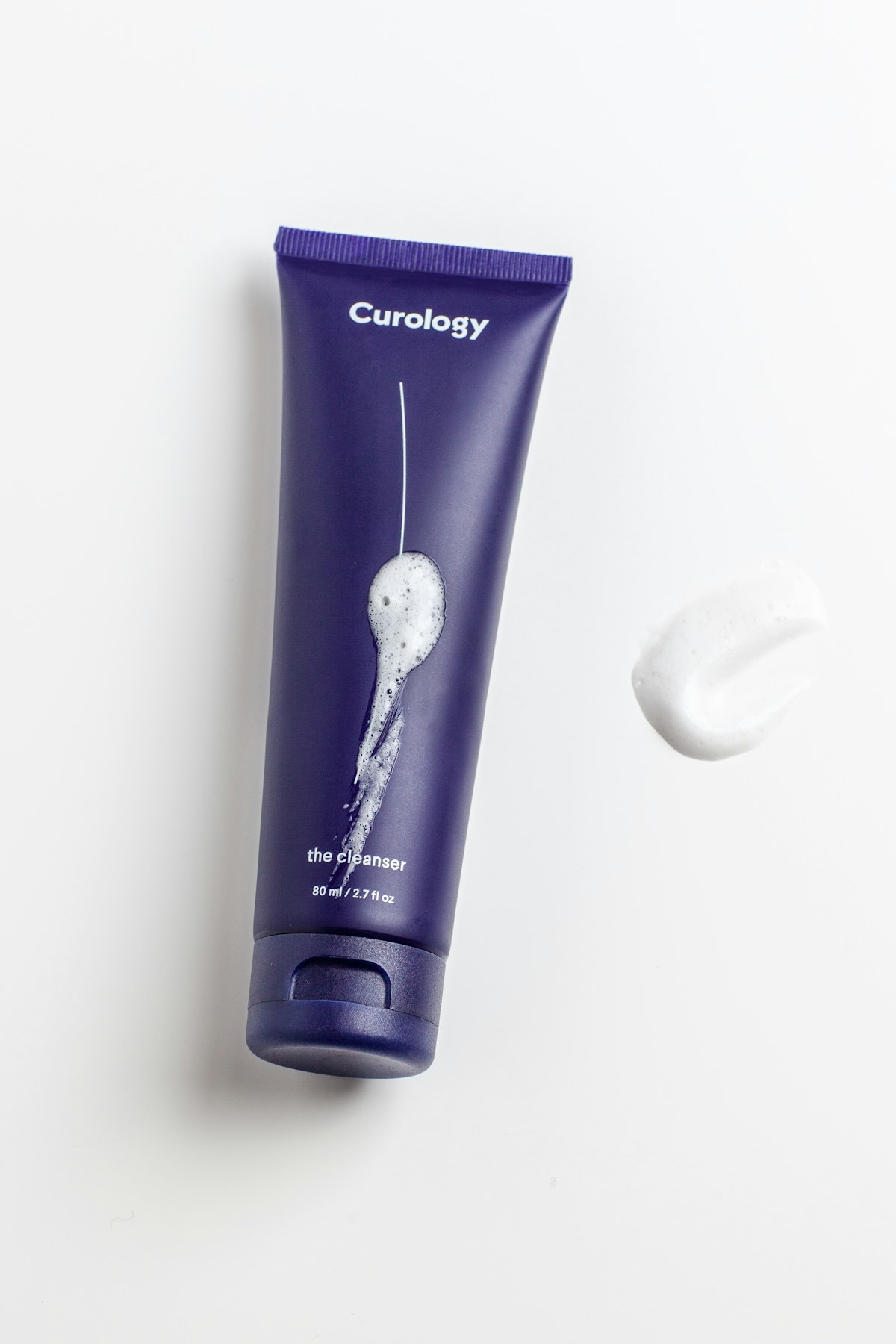
- 3Trap Moisture Within 3 Minutes: After bathing, immediately apply a ceramide-rich moisturizer while your skin is still damp to lock in surface hydration.